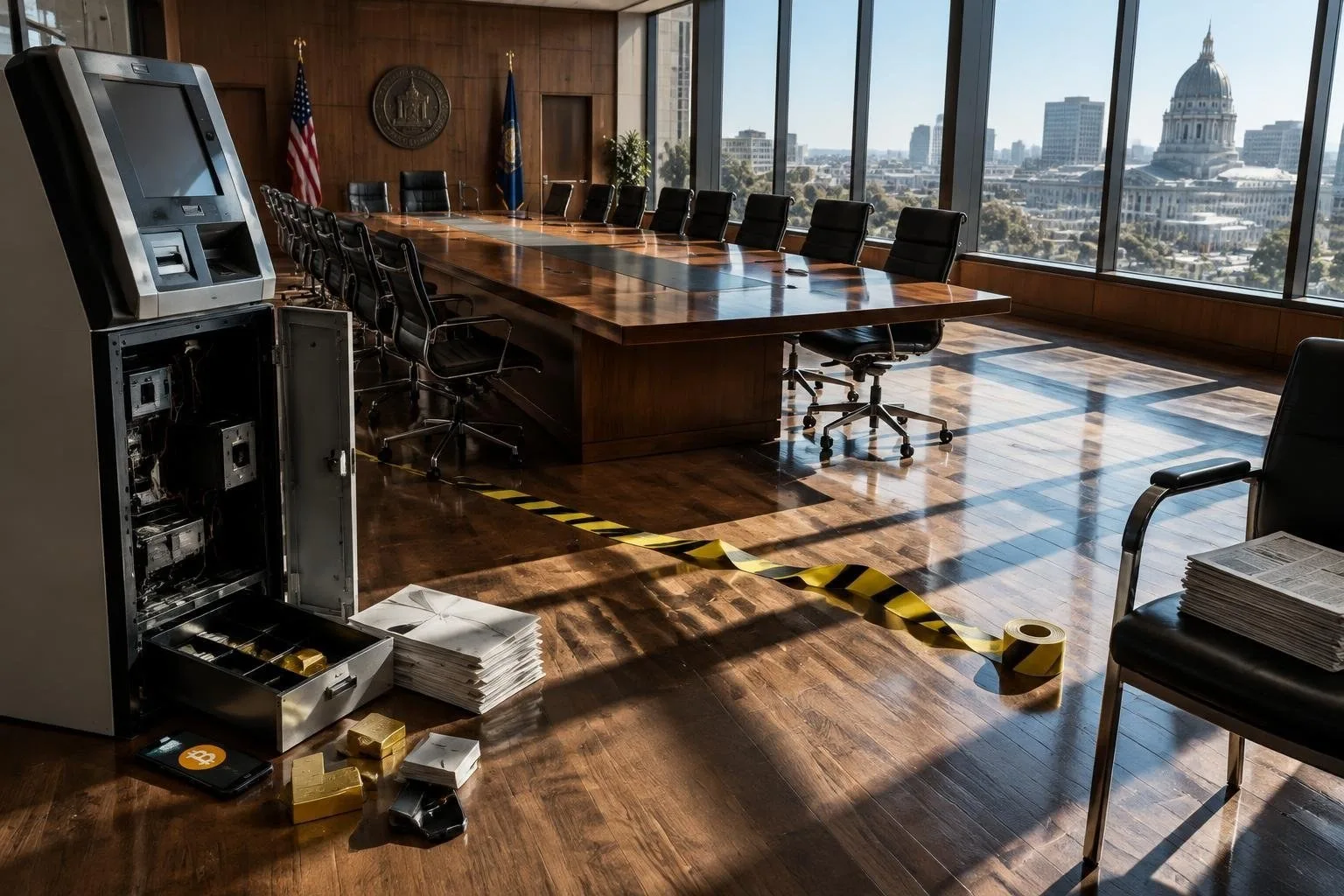
The United States Federal Bureau of Investigation announced that it has broken the backbone of a sophisticated cryptocurrency robbery run by a North Korean hacking collective. Over the past 18 months the group siphoned more than $400 million from individuals working in the crypto, Web3 and open-source ecosystems. Authorities describe the operation as a “highly tailored, hard-to-detect” campaign that leveraged a cloud-based command structure to coordinate attacks worldwide. The proceeds, officials say, were funneled to finance the regime’s illicit weapons program, highlighting the intersection of cybercrime and state-sponsored aggression.
How the FaceStealer operation functioned
The core of the scheme, dubbed FaceStealer, was a multi-layered social-engineering attack. Hackers first compromised the victim’s professional messaging accounts on platforms such as LinkedIn, Telegram, Slack and Discord. With those credentials they sent messages to the victim’s contacts, impersonating trusted colleagues and inviting the target to a video-conference call on Zoom, Microsoft Teams or Google Meet. While the target waited for the “host” to join, the attackers silently recorded the webcam feed, creating a realistic video replica that could later be replayed as the victim’s own likeness. During the staged call, the impostors claimed a technical glitch, often “audio not working”, and supplied a link purporting to fix the issue. Clicking the link installed malware that granted the intruders full control of the computer, allowing them to exfiltrate private keys, transfer crypto holdings, and infiltrate further systems.
Targeting the software supply chain and open-source developers
Beyond personal wallets, the attackers set their sights on developers who maintain widely used open-source libraries. By hijacking accounts of trusted maintainers, the group could inject malicious code into repositories that are automatically pulled by millions of downstream users. FBI analysts warned that such a breach could compromise the software supply chain, spreading ransomware or back-doors across critical infrastructure without the victims ever realizing the source. The operation therefore extended beyond simple theft; it represented a potential vector for large-scale sabotage, aligning with North Korea’s broader strategy of using cyber tools to destabilize adversaries while financing its own military ambitions.
Law-enforcement response and asset recovery
In a coordinated effort with the Department of Justice, the FBI seized the cloud-based infrastructure that hosted the command-and-control servers, along with more than 900 recorded webcam videos of compromised professionals. Court orders enabled the agency to freeze assets totaling over $2.7 billion, with a specific injunction restricting access to roughly $1.2 billion linked directly to the scheme. The operation also intersected with a separate theft from the world’s largest crypto exchange, Binance, where North Korean actors, identified as “TraderTraitor”, stole in excess of $6 billion on Oct. 29. Binance has reimbursed affected customers, while authorities continue to chase the remaining funds. Officials emphasized that dismantling the infrastructure not only cuts off revenue for the regime’s weapons program but also deprives it of the digital tools needed for future campaigns.
Practical steps for anyone who may be affected
Victims are urged to act swiftly. First, create a new crypto wallet on a device that has never communicated with the suspicious actors, generate fresh seed phrases, and transfer all holdings to the new address. Second, secure all communication platforms (Telegram, WhatsApp, Discord, Slack, LinkedIn) by changing passwords, logging out of every session, and enabling multi-factor authentication. Third, alert personal and professional contacts that the hacker may be using a pre-recorded video to impersonate you, and advise them not to click any unsolicited links. Fourth, if any work-related accounts or files were accessed, inform employers immediately so that potential data breaches can be contained. Finally, file a report with the Internet Crime Complaint Center (IC3) using the keyword “FaceStealer” to aid ongoing investigations.