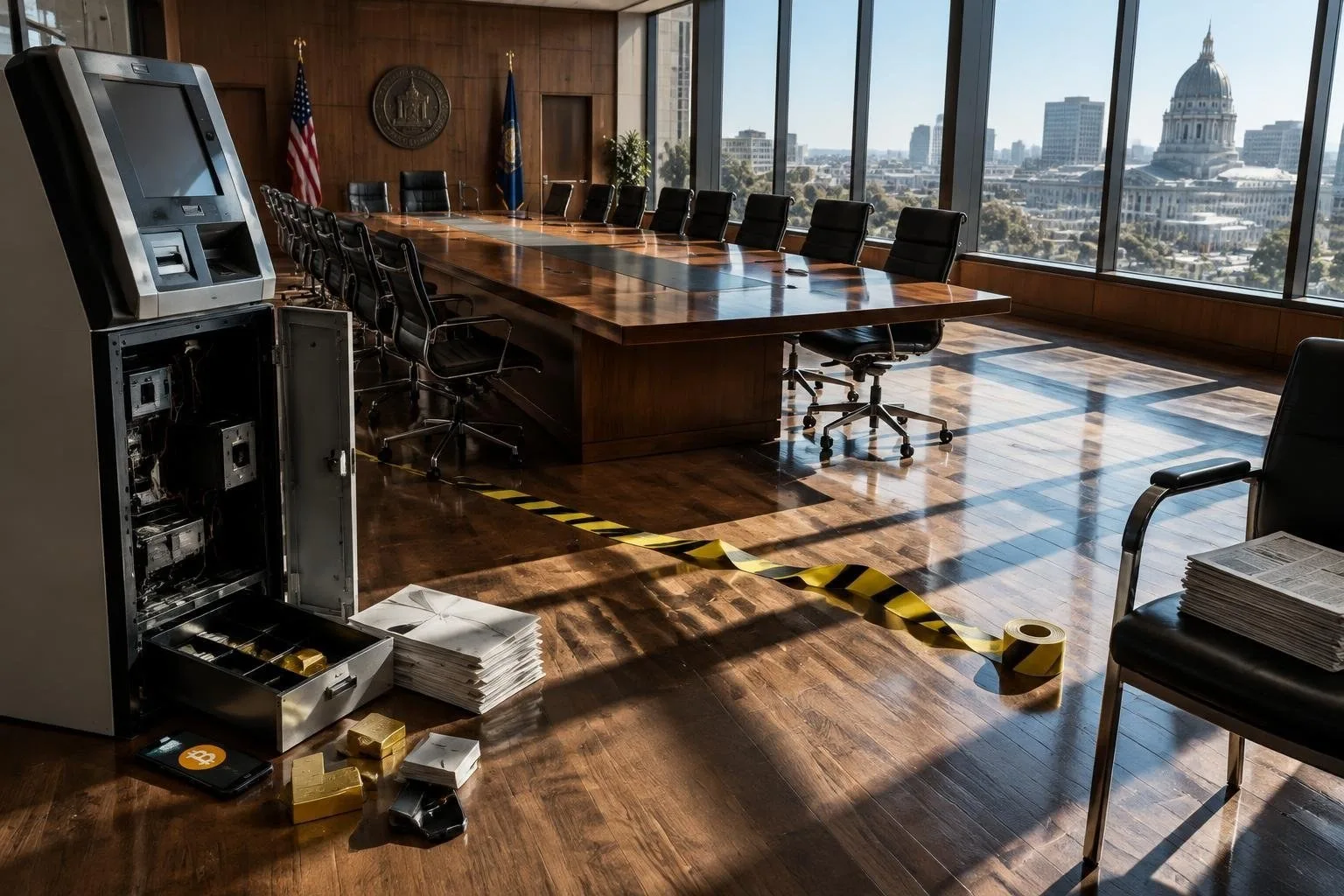
The Springfield City Council is preparing to vote on a measure that would eliminate every cryptocurrency kiosk operating in the municipality. The proposal follows a police investigation that linked almost fifty incidents to the devices, with victims collectively losing close to $1 million between January 2025 and July 2026. Most of the affected individuals were older adults, but the frauds also touched people in their twenties and thirties, illustrating a broad vulnerability.
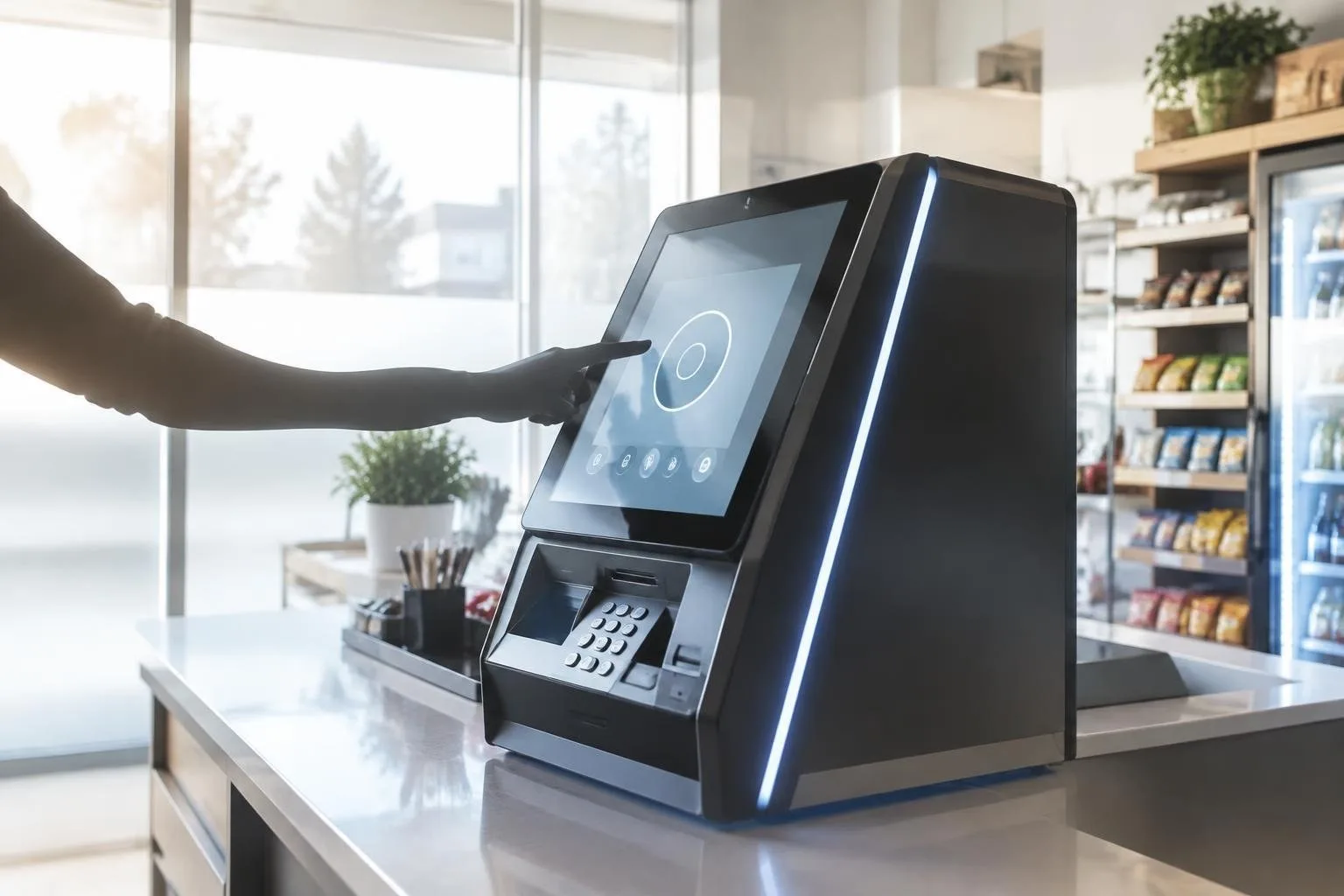
These machines, commonly called Bitcoin ATMs, resemble traditional cash dispensers and are usually placed inside convenience stores, gas stations or liquor shops. They enable users to exchange cash for digital assets such as Bitcoin, Ethereum or other virtual currencies. While the technology itself is legitimate, law-enforcement officials say that more than 90 % of the transactions traced to the kiosks in Springfield were part of scams.
Scale of the fraud and typical modus operandi
Springfield police recorded 48 confirmed cases that cost victims $968,528, according to department data released in August 2026. Federal figures show that Massachusetts as a whole received 296 complaints about similar ATM frauds last year, with losses totaling nearly $7 million. The most common scheme involved callers posing as police officers or sheriff’s deputies. The impostors warned the target of an alleged arrest warrant and demanded an immediate payment at the nearest crypto kiosk to “clear the fine.”
Superintendent Larry Akers emphasized that no legitimate government agency requests money in that manner. He recounted receiving a spoofed call from someone claiming to be him, demanding a cash deposit at a kiosk under threat of arrest. Once the cash is loaded into the machine, the trail goes cold; the funds are quickly transferred to overseas wallets, often in Bangladesh, making recovery virtually impossible.
Proposed ordinance and removal timetable
Mayor Domenic Sarno introduced the draft ordinance at a council meeting this week. The bill mandates that all crypto kiosks be physically removed from publicly accessible spaces within 15 days of the council’s approval. The city solicitor, Stephen Buoniconti, noted that the language mirrors ordinances already upheld in several Massachusetts towns, reducing the risk of legal challenges related to interstate commerce.
If the measure passes, Springfield would join Gloucester, Framingham, Ludlow, Haverhill and more than twenty other municipalities that have already outlawed the machines. The council is scheduled to vote in December, and officials hope the ban can be enforced before the holiday season, when scammers traditionally intensify their efforts.
Regional precedent and broader impact
New York State has implemented such strict regulations that crypto kiosks are virtually nonexistent there, and the state reported zero crypto-ATM scams last year. In Massachusetts, the legislative arena is currently debating a statewide prohibition, a move that could further isolate Springfield’s efforts but also provide a uniform framework for enforcement.
Local police are also collaborating with banks and retail operators to warn customers of the threat. Detectives advise anyone who receives an unexpected call demanding a payment at a kiosk to hang up immediately and verify the request through official channels. The city’s consumer affairs department will distribute pamphlets outlining the typical red flags, such as urgency, fear-based language, and the use of unofficial phone numbers.
While officials acknowledge that banning the machines will not eradicate fraud entirely, they argue that removing a primary conduit for the scams will disrupt the criminals’ workflow and deter future attempts. As Superintendent Akers put it, “No police department, sheriff’s office or government agency will ever ask for money in this way.”