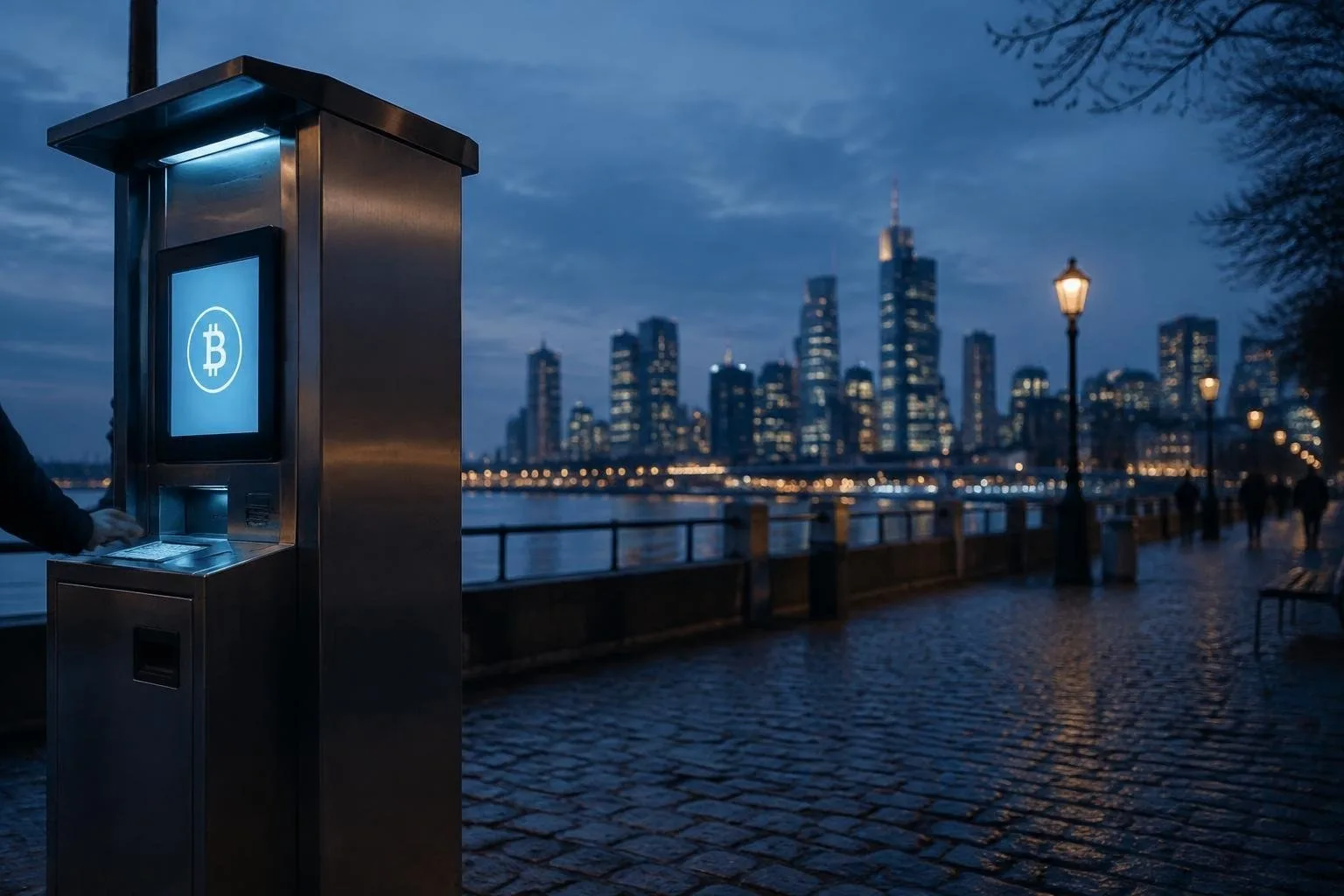
Cryptocurrency kiosks have become a popular way for people to buy and sell digital assets, but they also pose significant risks to users. One of the main concerns is the high fees associated with using these kiosks, which can eat into the user’s profits. Additionally, the lack of regulation and oversight in the industry makes it easier for scammers to operate, putting users’ funds at risk.
Risks of Cryptocurrency Kiosks
Cryptocurrency kiosks are vulnerable to fraud and other malicious activities, which can result in significant financial losses for users. The use of these kiosks also raises concerns about identity checks and anti-money laundering (AML) regulations, as users may be required to provide personal identification documents to use the kiosk. Furthermore, the kiosks themselves can be hacked, allowing thieves to steal users’ funds.
Alternative and Safer Ways to Buy Coins
Instead of using cryptocurrency kiosks, users can buy digital assets through regulated exchanges, which offer a safer and more secure way to purchase coins. These exchanges are subject to strict regulations and oversight, which helps to protect users’ funds and prevent fraudulent activities. Another option is to use peer-to-peer (P2P) platforms with escrow services, which allow users to buy and sell digital assets directly with other individuals while ensuring that the transaction is secure and trustworthy.
Best practices for custody and storage of digital assets are also crucial in minimizing the risks associated with buying and holding cryptocurrencies. Users should always use reputable and secure wallets to store their digital assets and enable two-factor authentication to prevent unauthorized access to their accounts. By following these best practices and using safer alternatives to cryptocurrency kiosks, users can reduce the risks associated with buying and holding digital assets.
Pre-Purchase Due Diligence Checklist
Before buying digital assets, users should conduct thorough research and due diligence to ensure that they are making an informed decision. This includes checking the reputation of the exchange or platform, verifying the identity of the seller, and understanding the fees and terms associated with the transaction. Users should also be cautious of any investment opportunities that seem too good to be true and never invest more than they can afford to lose.