The silicon-valley powerhouse Nvidia announced a stunning leadership change on Thursday. Founder and longtime chief executive Jensen Huang tendered his resignation after a series of revelations about personal relationships that raised national-security concerns. The board immediately named chief financial officer Colette Kress as interim chief executive, signalling a swift attempt to stabilize the company.
Board members convened late Wednesday night to assess the situation, ultimately deciding that a leadership transition was unavoidable. In a brief statement, the ten-member board thanked Huang for his “immeasurable contributions” and confirmed that Kress would steer the firm while a permanent successor is identified.
Market reaction and financial exposure
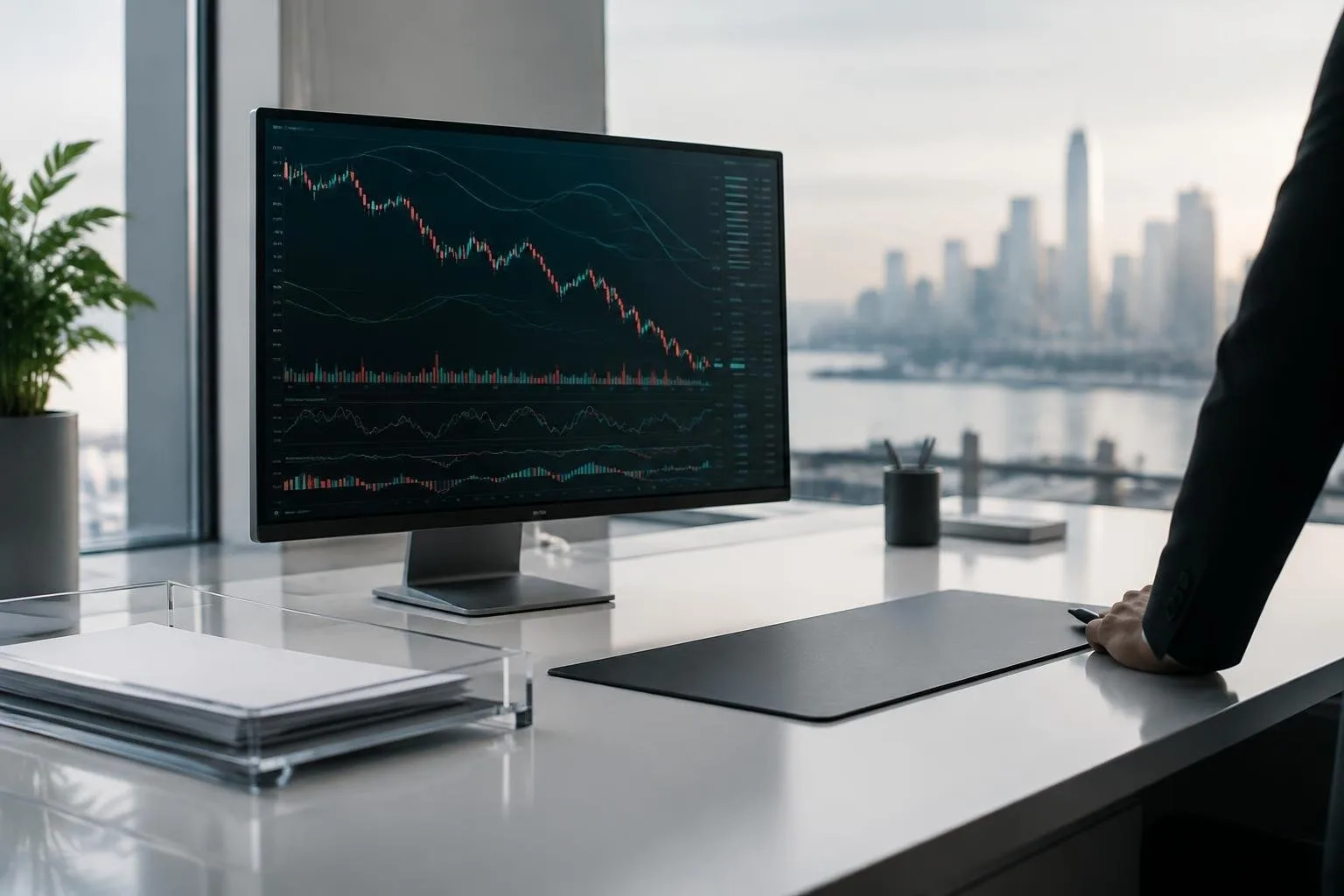
News of the resignation sent Nvidia shares spiralling, with the stock sliding more than 13 percent in early trading before partially recovering later in the session. The plunge erased over $1 trillion in market value for the company this month alone, underscoring how tightly investors had linked the firm’s fortunes to Huang’s personal brand.
Beyond the share price, analysts highlighted the ripple effect on a network of AI-related investments. Nvidia holds equity stakes in firms such as Intel, SpaceX and CoreWeave, and has pledged billions to AI start-ups including Anthropic and a tentative $100 billion commitment to OpenAI. The interim CEO now faces the delicate task of honoring or renegotiating those commitments while the market watches closely.
Political fallout and upcoming congressional scrutiny
Washington has taken a keen interest in the episode, not only because Nvidia sits at the heart of the United States’ artificial-intelligence ecosystem but also due to concerns that Huang’s alleged relationship with a woman identified as a Chinese intelligence operative could have compromised export-control rules.
Three House Representatives have sent a formal request for Huang to appear before a closed-door committee. The invitation follows a warning that the United States must safeguard its most advanced GPU technology from foreign acquisition. Although Huang has agreed to testify, the hearing is expected to focus on the company’s compliance practices and the broader policy debate over AI-chip exports to China.
Future outlook for Nvidia
With Colette Kress at the helm, the company’s short-term agenda includes reassuring investors, maintaining strategic partnerships, and navigating the looming congressional hearing. The upcoming GTC developer conference in Washington, D.C., originally slated to feature Huang as keynote speaker, now hangs in uncertainty; organizers have yet to confirm whether the event will proceed or who will replace the charismatic presenter.
Industry observers note that while Nvidia’s technology remains indispensable for training large-scale models, the loss of Huang’s visionary leadership could alter the firm’s innovation trajectory. Nonetheless, many believe the company’s deep-seated market position and diversified portfolio will allow it to weather the storm, provided the interim management can preserve confidence among customers, partners, and regulators.