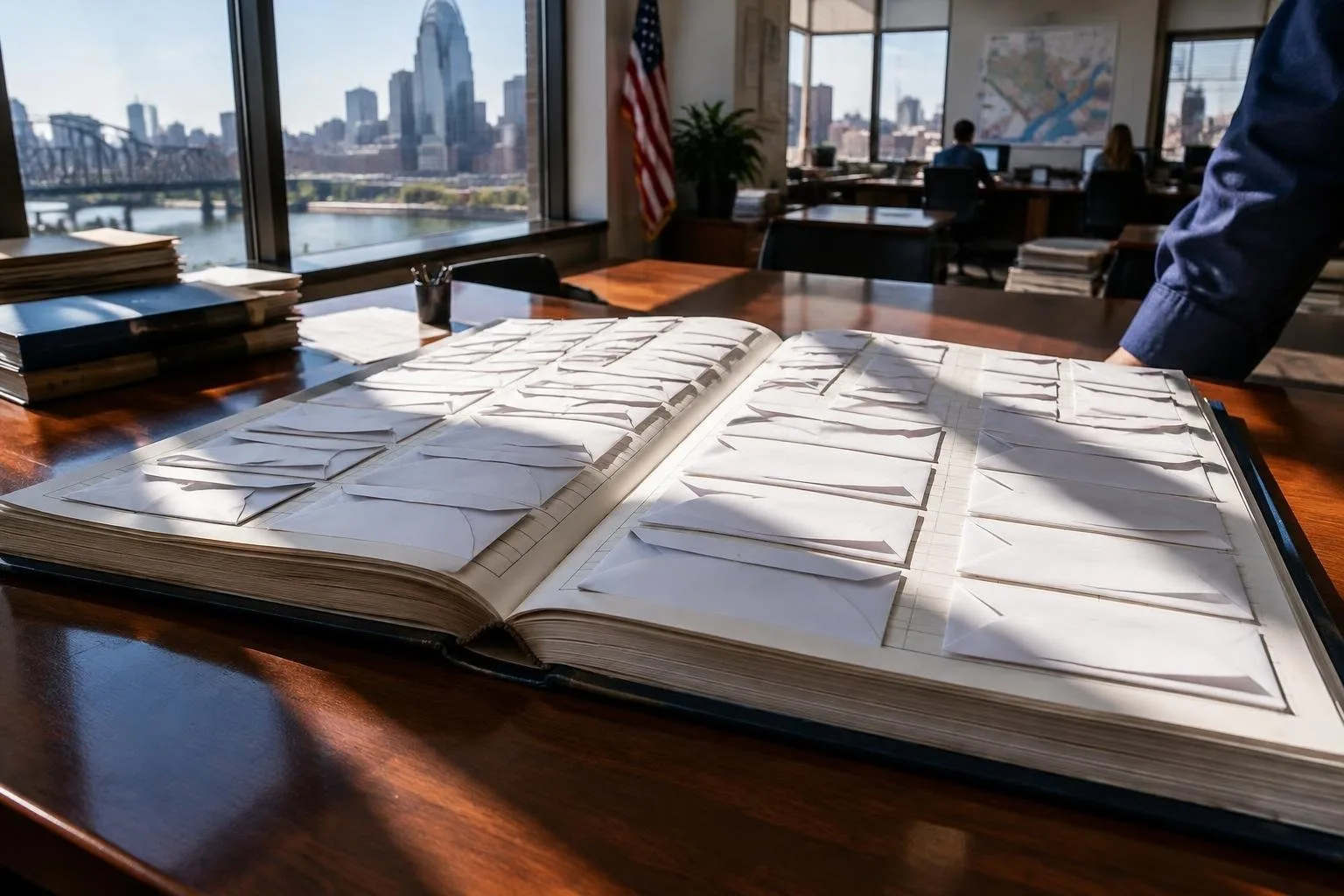
San Francisco went to the polls on November 3rd, 2026 for a high-stakes election that pairs sweeping municipal reforms with tight local races. Ballot items backed by the mayor, large transit funding propositions and hotly contested supervisor and congressional campaigns left neighborhoods watching turnout and early returns closely. Weather and neighborhood rhythms shaped morning scenes at polling places from the Tenderloin to the Sunset.
The ballot combined structural changes to how City Hall operates with familiar local fights over housing, transit and neighborhood access. Voters faced multiple measures labeled as charter reform, a regional transit tax measure, an expensive and contested proposal to reopen the Upper Great Highway, and local supervisor contests that could shift board politics for years.
Mayor Daniel Lurie’s reform push and the money behind it
At the center of the ballot were three measures backed by Mayor Daniel Lurie—Propositions D, E and F—that would change how the city runs. Prop D would raise the signature threshold for ballot initiatives; Prop E would expand the city administrator’s contracting oversight; and Prop F would give the mayor broader authority to reorganize departments and remove agency heads. Supporters argue the package will streamline governance; critics say it concentrates power and raises barriers for grassroots democracy.
Campaign finance figures were significant: mayor-backed charter reform efforts attracted roughly $13.8 million in contributions. That scale of spending shaped messaging across the city and became a central theme in debates over democratic access. Some opponents urged voters to read ballot language carefully to see the operational effect of the measures rather than accept broad slogans about “cleaning up City Hall.”
Transit funding was another mayoral priority. Proposition H, a local parcel tax, aimed to raise about $177 million annually for Muni, an agency facing a projected shortfall of roughly $350 million by 2027. Voters were also deciding on a regional measure, Measure RTM, which would add a 1% sales tax across participating Bay Area jurisdictions to support BART, Caltrain and other systems. Backers warned that failure could jeopardize transit networks; opponents questioned tax burdens and fiscal tradeoffs.
High-profile measures and contested races across neighborhoods
Several ballot items outside the charter bundle drew intense local attention. Proposition G proposed reopening the Upper Great Highway to vehicle traffic for most weekdays, reversing a park created by a prior ballot measure. Analysts estimated an initial cost near $9.8 million with recurring expenses around $2 million per year to restore full road access. Many neighborhood activists opposed that conversion, arguing it would sacrifice green space and incur heavy public expense.
Housing measures included an expansion of the Housing Trust Fund through Proposition C, which faced little organized opposition, and the Affordable Housing Guarantee Act, Proposition I, which sought to reorient funding toward affordable housing needs despite significant real-estate industry spending against it. Observers noted national and local momentum around affordability, and substantial advertising dollars from landlords and developers shaped voter outreach.
Castro, Tenderloin and Bayview: early day snapshots
On election morning, precincts showed uneven early in-person activity. In the Tenderloin, Boedekker Park on Eddy Street recorded a modest stream of voters—about nine people in the first two hours—while the Cadillac Hotel and a Hyde Street site reported far fewer visits. Rain dampened the morning but did not stop volunteers and small demonstrations, including visible supporters of the Great Highway measure in the Richmond.
At Castro station, campaign teams for competing candidates mingled with commuters. District 8 candidate Gary McCoy—who rose to frontrunner status after his opponent, Manny Yekutiel, paused campaigning amid serious allegations—was on the ground and described Election Day as emotionally intense. Supporters for municipal fare and service campaigns also distributed stickers and urged votes to protect transit service.
In the Bayview, first-time voters and longtime residents approached a long ballot with mixed feelings. One new voter said he chose Theo Ellington for supervisor after attending candidate events, while others described the campaign as polarizing and the ballot as overwhelming. District 10’s field featured multiple front-runners—Ellington, DJ Brookter and JR Eppler—making voter choices in that neighborhood particularly consequential.
Congressional duel: Connie Chan vs. Scott Wiener
The city’s most visible contest was the Chan-Wiener matchup for Congress. Connie Chan benefited from high-profile endorsements and a major fundraising surge after Nancy Pelosi’s backing, while Scott Wiener brought deep fundraising resources to the race—roughly $4.6 million from his campaign and another about $7 million from independent supporters. Both campaigns traded attacks over ads and policy positions, and observers saw the contest as a referendum on competing visions for land use and city priorities.
As the day progressed, precincts, neighborhood dynamics and ballot returns would determine not only immediate winners but also how power is distributed at City Hall and in the region’s transportation and housing policies. With finance totals, operating costs and neighborhood stakes all in play, the results promised to reshape policy debates for years to come.