The PACE financing model enables property owners to invest in energy efficiency, renewable energy, and resilience improvements by covering the full cost of eligible projects up front. In practice, the financing is repaid through a charge added to the property tax bill for a term that can extend up to 30 years. This arrangement changes the cash-flow math for many upgrades and can make larger projects affordable.
PACE stands for property assessed clean energy, an option created through state enabling legislation that lets local governments offer or authorize the program. Participation is voluntary: property owners opt in, select qualified contractors, and complete an application with the local program to secure financing. Once funds are disbursed, the assessment is recorded on the property tax roll.
How the financing works in practice
The mechanics are straightforward. First, a building owner and a certified service provider agree on a scope of work that may include solar PV, upgraded HVAC, roof replacement, insulation, lighting, water conservation, or measures that improve durability to storms or seismic events. The owner applies to the local PACE program, which verifies the project meets eligibility rules and arranges funding.
When the project is approved, the program provides or secures 100% of both hard and soft costs. The resulting repayment obligation is added to the property tax bill as an assessment or charge. Because repayment terms can extend for decades, monthly payments can be lower than the energy cost savings generated by the upgrade, making many projects cash flow positive from the start.
Eligibility and program roles
Eligibility varies by jurisdiction. Some programs cover only commercial buildings, while others also serve single-family homes, multifamily properties, nonprofit and industrial sites. Local administrators set the list of eligible improvements and underwriting criteria. Contractors and developers work with owners to size projects so improvements deliver measurable benefits, such as lower utility bills or increased resilience to hurricanes, wildfires, or flooding.
Applying PACE to solar and resilience projects
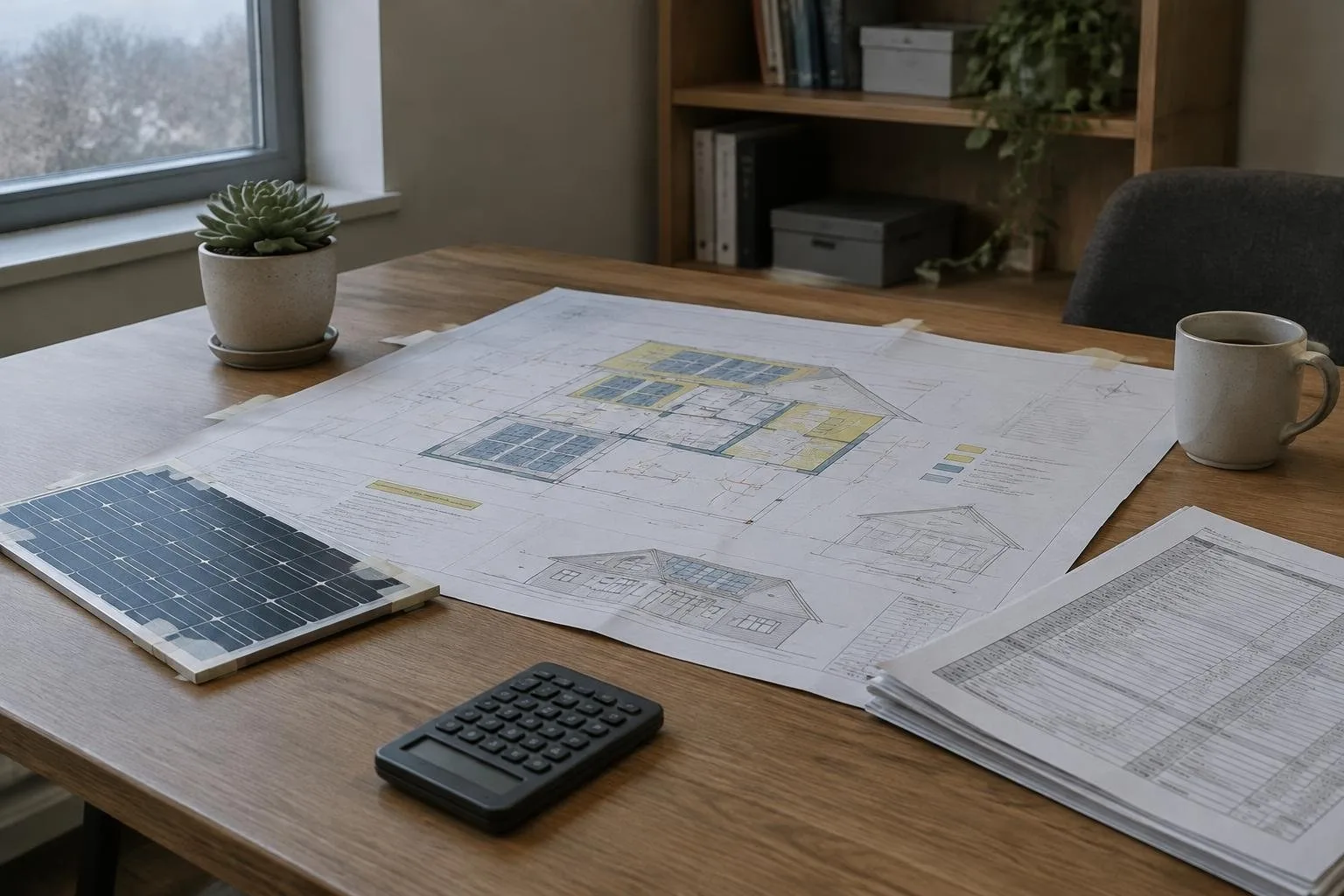
Property owners considering rooftop solar should review both the building’s solar exposure and its physical condition before installation. A good solar candidate receives unobstructed sun for much of the day and has a roof in suitable condition. PACE can pay for the entire solar installation and, where allowed, associated energy storage systems.
Beyond solar, PACE funds upgrades that reduce energy use and the need for larger solar arrays. Examples include LED lighting, improved insulation, modern controls, and high-efficiency water heaters. Installing those measures first lowers the size and cost of the solar system required to meet a given share of on-site load.
Resiliency measures funded by PACE
Many jurisdictions expand eligible measures to include storm-hardening and disaster resilience: roof reinforcement, stormwater controls, seismic upgrades, microgrids, and electric vehicle charging infrastructure. These projects increase a property’s ability to function during extreme weather and can reduce recovery costs after an event. When a program includes such items, PACE gives owners a way to finance preparedness alongside energy savings.
Who benefits and why it matters locally
For commercial owners, C-PACE can protect working capital by covering project development costs and preserving loans that might otherwise be used. It can also improve net operating income when energy savings exceed assessment payments, and it can make a property more attractive to buyers or tenants by showing lower operating costs and enhanced resilience.
Homeowners use PACE to modernize aging systems, reduce utility bills, and add protections against hurricanes or fires where local programs allow. Because many programs extend terms up to 30 years, homeowners often see monthly assessment payments smaller than their prior energy bills.
On a community level, PACE channels private capital into local improvements, generating economic activity and jobs in construction and related trades. Analyses of completed projects show that investments circulate through local economies and create employment opportunities tied to installation and maintenance.
Before pursuing PACE, property owners should confirm program availability in their jurisdiction, review eligible measures, and check how the assessment interacts with mortgages and insurance. Local PACE administrators provide program rules, contractor lists, and application guidance, helping owners determine whether a specific project is a good financial and operational fit.
Used alongside federal and state incentives, PACE can reduce net project cost and accelerate payback. When combined with utility programs or tax credits, long-term assessments make deeper, costlier upgrades feasible today rather than deferred to a later date.