“`html
Niger has recently made headlines as its military government declared a strategic move to sell uranium sourced from the SOMAÏR mine. This decision follows the junta’s acquisition of the mine from Orano, a French company that has been a longstanding player in Niger’s uranium sector. The announcement was made by General Abdourahamane Tiani, the head of the junta, during a broadcast on state-run television, Tele Sahel.
In his address, General Tiani emphasized Niger’s right to manage its own resources, asserting the nation’s autonomy in marketing its natural wealth. He stated, “Niger’s legitimate right to dispose of its natural riches allows us to sell them under market rules, independently and freely.” This rhetoric signals a departure from Niger’s previous partnerships, particularly with France, which has been accused of fostering separatist movements in the region.
Table of Contents:
Niger’s uranium landscape and the fallout with Orano
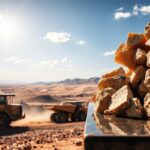
The SOMAÏR mine, alongside other facilities such as Cominak and Imouraren, forms a critical part of Niger’s uranium supply chain. Historically, Orano has operated these mines, holding a 60 percent stake in SOMAÏR, which has been a significant contributor to global uranium markets. However, this control was disrupted when the junta took over, citing outdated mining agreements and invoking national sovereignty over resources.
In a subsequent legal twist, Orano expressed its disapproval of the Nigerien government’s actions, labeling the uranium transfer as illegal. The company highlighted that it had learned about the uranium shipments through media channels, raising concerns regarding the lack of official communication about the quantities and transport logistics. This situation escalated tensions, as Orano referenced a ruling from the International Centre for Settlement of Investment Disputes (ICSID) that prohibited Niger from transferring or selling uranium produced by SOMAÏR.
Legal implications and international reactions
Orano’s legal team has indicated their intention to pursue multiple avenues to regain operational control over the mine. They have initiated arbitration proceedings and filed lawsuits in Niger, arguing that the junta’s actions are detrimental to the financial viability of the mine. Amid these legal battles, the French company warned that it might resort to criminal proceedings against any third parties involved in the uranium transfer.
In addition to the legal ramifications, the transfer of uranium raises significant safety concerns. Orano issued a statement cautioning that transporting large quantities of uranium through unsecured routes poses considerable risks. This highlights the potential dangers inherent in Niger’s current political climate and the implications for international nuclear safety standards.
Niger’s shift towards new alliances
Since the military coup, Niger has actively sought to redefine its foreign relationships, moving away from France and forging closer ties with Russia. The Russian government has shown interest in Niger’s uranium resources, with the Russian Energy Minister previously indicating a desire for uranium mining collaboration in the country. This pivot is part of a broader strategy by Niger to strengthen its position amidst regional security challenges, particularly against jihadist insurgencies.
Niger’s uranium production plays a pivotal role in the global market, accounting for approximately 25 percent of the natural uranium supply for European nuclear power plants. As such, the implications of Niger’s decisions will not only affect local economies but also the international nuclear industry. With around 1,500 metric tons of uranium reportedly stockpiled at SOMAÏR, potential buyers from countries including Turkey, Iran, and Russia are being closely monitored.
The future of Niger’s uranium market
As Niger prepares to enter the international uranium market, stakeholders are keenly watching how this situation unfolds. The ongoing legal disputes with Orano and the geopolitical shifts towards Russia could redefine the landscape of uranium mining and exports in the region. The outcomes of these developments will undoubtedly shape Niger’s future economic trajectory and its role in global nuclear energy supply.
The SOMAÏR mine, a linchpin in Niger’s mining sector, will be at the forefront of these changes. As the world watches, the actions of Niger’s government will either solidify its independence in resource management or lead to further complications in international relations and legal entanglements.
“`